Python Requests और curl_cffi के साथ एकीकरण
HTTP 429/403 दर-सीमा पर स्वचालित IP रोटेशन ट्रिगर के साथ Python Requests और TLS-प्रतिरूपित curl_cffi स्क्रेपर्स को XProxy 4G/5G मोबाइल प्रॉक्सी के माध्यम से रूट करना सीखें।
Python Requests और curl_cffi के साथ XProxy का उपयोग क्यों करें?
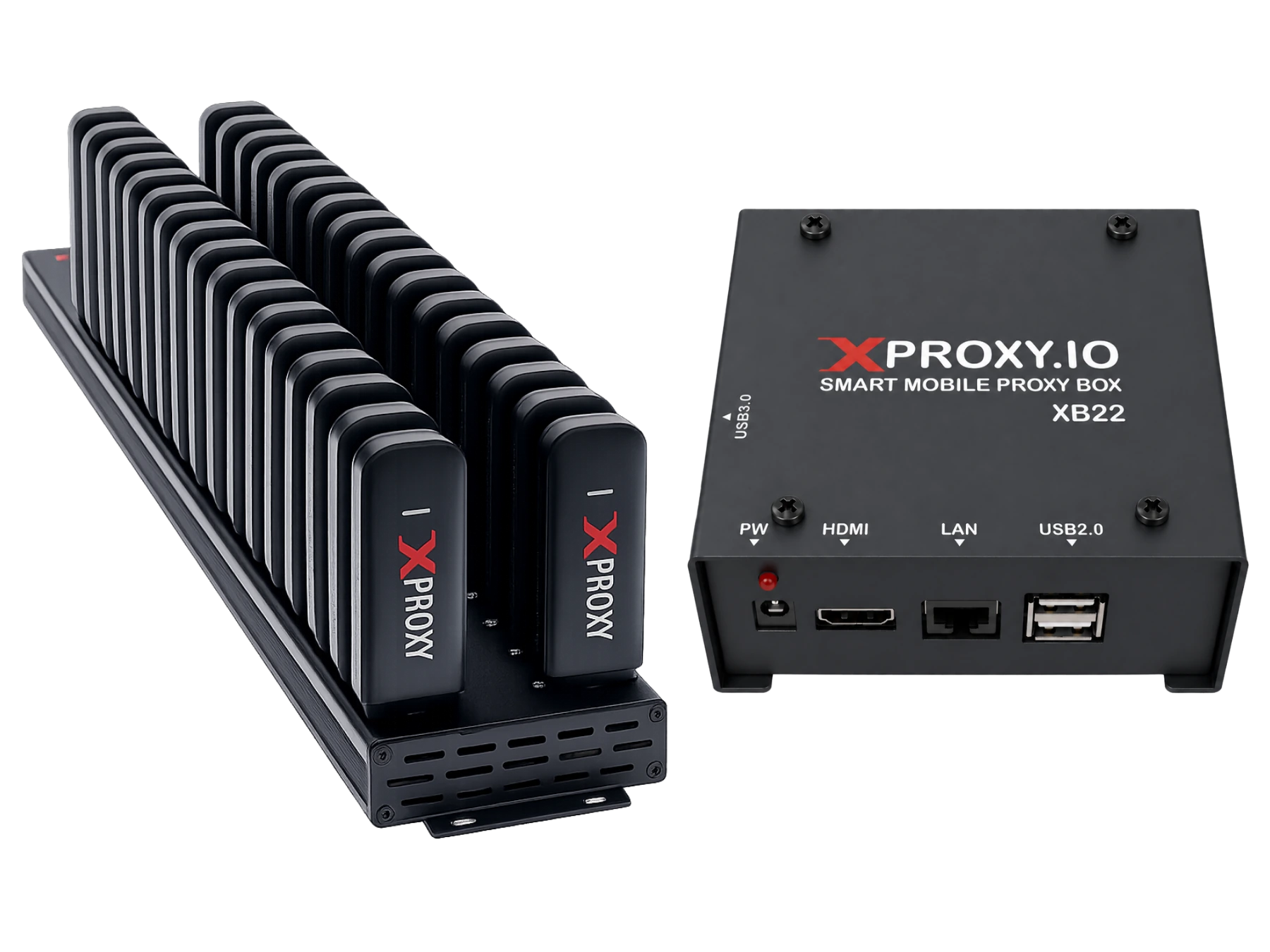
Python Requests और curl_cffi (जो सॉकेट स्तर पर Chrome/Firefox TLS फ़िंगरप्रिंट की नकल करता है) तेज़ और हल्की वेब स्क्रैपिंग के लिए सबसे लोकप्रिय लाइब्रेरी हैं। अपने Python स्क्रिप्ट को XProxy स्व-होस्टेड 4G/5G मोबाइल प्रॉक्सी के माध्यम से रूट करने पर आप असीमित डेटा थ्रूपुट के साथ Cloudflare TLS फ़िंगरप्रिंटिंग और IP दर-सीमाओं को बायपास कर सकते हैं।
पूर्वापेक्षाएँ
- Python 3.8+ जिसमें
requestsऔरcurl_cffiइंस्टॉल हों (pip install requests curl_cffi)। - सक्रिय 4G/5G USB डोंगल या Android फ़ोन के साथ चालू XProxy सर्वर।
- XProxy डैशबोर्ड से प्रॉक्सी क्रेडेंशियल (IP, पोर्ट, उपयोगकर्ता नाम, पासवर्ड, रोटेशन API लिंक)।
1. मानक Python Requests उदाहरण
नीचे एक पूर्ण स्क्रिप्ट दी गई है जो HTTP 429 या 403 स्थिति कोड प्राप्त होने पर स्वचालित XProxy IP रोटेशन दर्शाती है:
import time
import requests

# --- XProxy Configuration ---
PROXIES = {
    "http": "http://username:[email protected]:5001",
    "https": "http://username:[email protected]:5001",
}
ROTATION_API_URL = "http://192.168.6.7:8081/api/v1/rotate_ip/position/1"

def rotate_xproxy_ip():
    """Trigger 4G/5G cellular reconnection on XProxy."""
    print("🔄 Triggering XProxy IP rotation...")
    try:
        res = requests.get(ROTATION_API_URL, timeout=10)
        if res.status_code == 200:
            print("✅ IP rotation requested. Waiting 6 seconds for 4G reconnect...")
            time.sleep(6)
            return True
    except Exception as e:
        print(f"❌ Rotation error: {e}")
    return False

def scrape_url(url):
    for attempt in range(3):
        try:
            response = requests.get(url, proxies=PROXIES, timeout=15)

            # Handle rate limits or anti-bot blocks
            if response.status_code in (429, 403):
                print(f"⚠️ Encountered HTTP {response.status_code}. Rotating IP...")
                rotate_xproxy_ip()
                continue

            print(f"✅ Success ({response.status_code}): {response.text[:100]}")
            return response
        except requests.exceptions.RequestException as e:
            print(f"❌ Request error: {e}. Retrying with new IP...")
            rotate_xproxy_ip()

if __name__ == "__main__":
    scrape_url("https://api.ipify.org?format=json")
2. `curl_cffi` के साथ TLS प्रतिरूपण
XProxy 4G/5G मोबाइल IP का उपयोग करते समय Cloudflare और Akamai TLS फ़िंगरप्रिंट जाँच को बायपास करने के लिए, वास्तविक Chrome ब्राउज़र TLS सिग्नेचर की नकल करने हेतु curl_cffi का उपयोग करें:
from curl_cffi import requests

# Configure SOCKS5 or HTTP proxy with Chrome TLS impersonation
proxy_url = "socks5://username:[email protected]:5001"

response = requests.get(
    "https://tls.browserleaks.com/json",
    proxies={"http": proxy_url, "https": proxy_url},
    impersonate="chrome120",  # Impersonate Chrome 120 TLS fingerprint
    timeout=15
)

print("Status Code:", response.status_code)
print("TLS Response:", response.json())
अक्सर पूछे जाने वाले प्रश्न
- प्रश्न: क्या मुझे Python Requests के साथ HTTP या SOCKS5 का उपयोग करना चाहिए?
उत्तर: मानकrequestsHTTP प्रॉक्सी के साथ बहुत अच्छी तरह काम करता है। Python Requests में SOCKS5 समर्थन के लिए,requests[socks]इंस्टॉल करें (उदा.socks5h://user:[email protected]:5001)।
Why High-Quality SOCKS5 UDP & Mobile Proxies Matter for Python Requests & Scrapers
Using cheap datacenter proxies or basic HTTP proxies in antidetect profiles leads to instant account suspensions on Facebook, Google, TikTok, and Amazon. Here is why XProxy's self-hosted 4G/5G mobile proxies deliver superior anonymity and trust:
- SOCKS5 with Full UDP Support: Unlike standard HTTP proxies that drop UDP packets, XProxy SOCKS5 proxies fully support UDP datagrams. This ensures WebRTC, DNS queries, and real-time audio/video sockets route securely through your proxy without revealing your real IP address.
- Instant REST API IP Rotation: Trigger cellular IP rotation on demand via simple HTTP GET requests (e.g.
http://192.168.6.7:8081/api/v1/rotate_ip/position/1). Reconnect 4G/5G USB modems in 3 to 8 seconds with zero proxy dropouts. - 100% WebRTC & DNS Leak Protection: Combined with XProxy's local LAN gateway and TCP OS Spoofing, your browser profiles maintain pristine anonymity scores on BrowserLeaks, Whoer, Pixelscan, and IPhey.
- Carrier-Grade NAT (CGNAT) Trust: Mobile carrier IPs are shared by thousands of active smartphone users. Major platforms never ban mobile IP ranges, granting your accounts maximum trust.
Stop Paying Monthly Rented Proxy Fees
XProxy hardware & software lets you own private mobile proxy channels with unlimited data, zero bandwidth caps, SOCKS5 UDP support, and instant REST API IP rotation (Python Scrapers).